








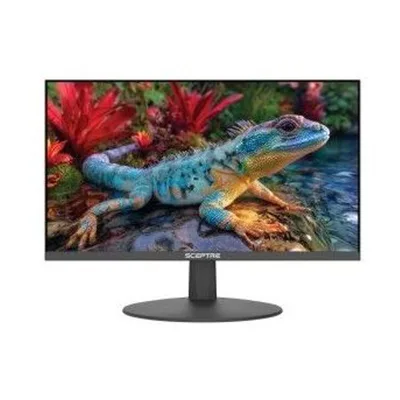
- Screen
- 21.5"
- Resolution
- 1080p
- Refresh rate
- 144 Hz
- Brightness
- 250 nits
Monitor Comparison Tool
Choose 2 to 5 monitors and read them row by row: screen and resolution, refresh rate and response time, brightness and HDR, ports, stand and weight.
Popular:
- 510 monitors, 23 brands
- Specs taken from maker spec sheets
- No paid placements
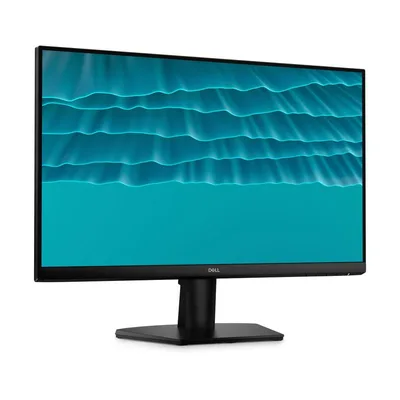
- Screen
- 23.8" IPS
- Resolution
- 1080p
- Refresh rate
- 144 Hz
- Brightness
- 300 nits
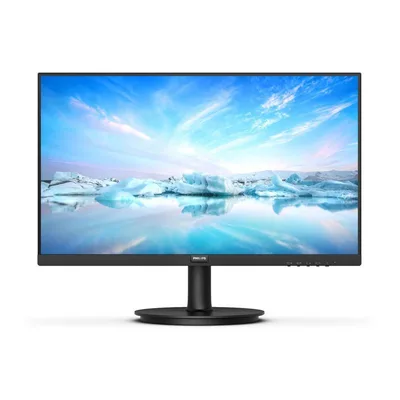
- Screen
- 23.8" VA
- Resolution
- 1080p
- Refresh rate
- 100 Hz
- Brightness
- 250 nits
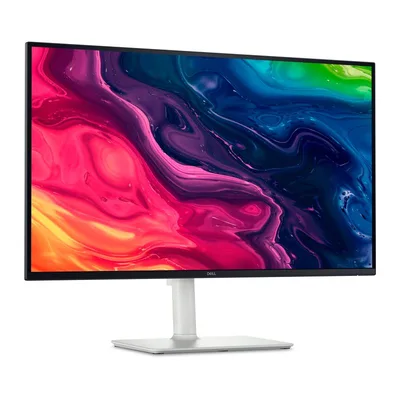
- Screen
- 27" IPS
- Resolution
- 4K
- Refresh rate
- 120 Hz
- Brightness
- 350 nits
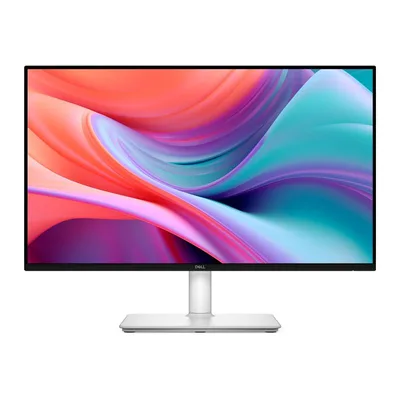
- Screen
- 23.8" IPS
- Resolution
- 1080p
- Refresh rate
- 144 Hz
- Brightness
- 300 nits
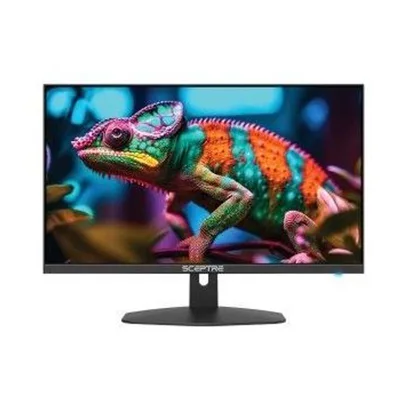
- Screen
- 27" VA
- Resolution
- 1080p
- Refresh rate
- 100 Hz
- Brightness
- 280 nits
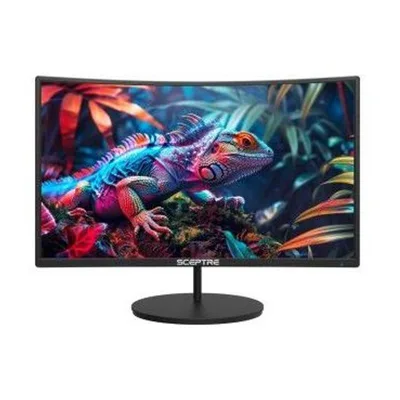
- Screen
- 23.6" VA curved
- Resolution
- 1080p
- Refresh rate
- 100 Hz
- Brightness
- 250 nits
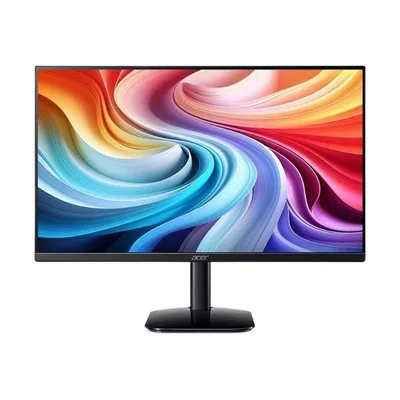
- Screen
- 27"
- Resolution
- 1080p
- Refresh rate
- —
- Brightness
- 250 nits
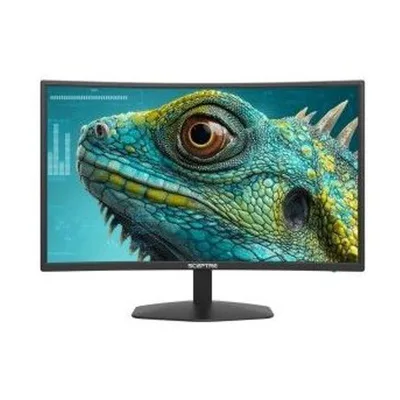
- Screen
- 27" VA curved
- Resolution
- 1080p
- Refresh rate
- 180 Hz
- Brightness
- 250 nits
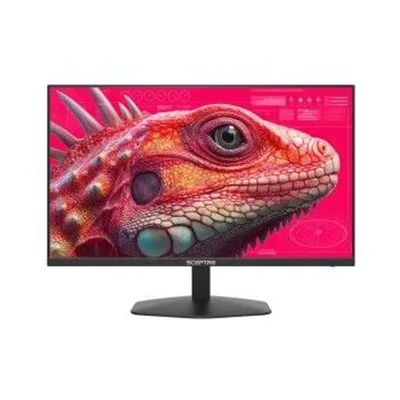
- Screen
- 27" VA
- Resolution
- 1080p
- Refresh rate
- 180 Hz
- Brightness
- 250 nits
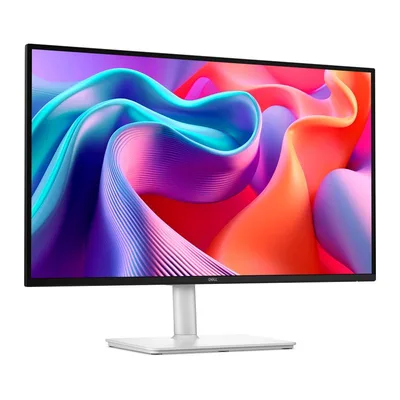
- Screen
- 27" IPS
- Resolution
- 1440p
- Refresh rate
- 144 Hz
- Brightness
- 350 nits
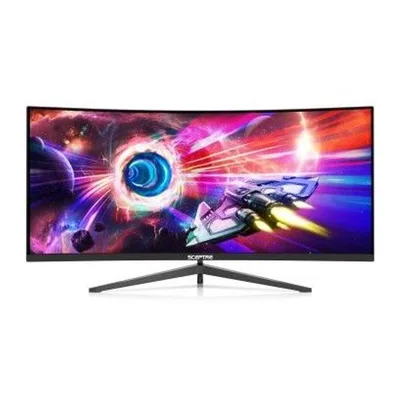
- Screen
- 34" VA curved
- Resolution
- 3440 x 1440 ultrawide
- Refresh rate
- 165 Hz
- Brightness
- 400 nits
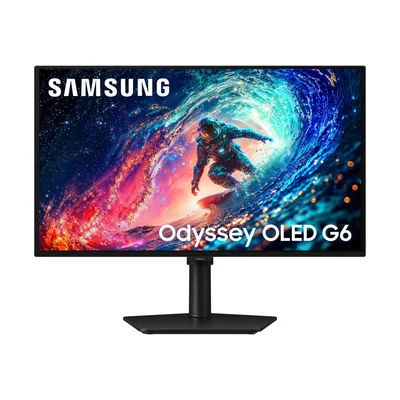
- Screen
- 27" OLED
- Resolution
- 1440p
- Refresh rate
- 240 Hz
- Brightness
- 200 nits
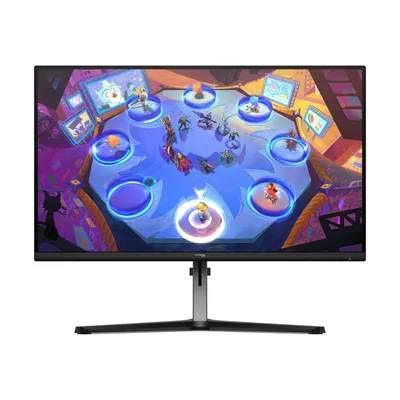
- Screen
- 27" IPS
- Resolution
- 1080p
- Refresh rate
- 144 Hz
- Brightness
- 300 nits
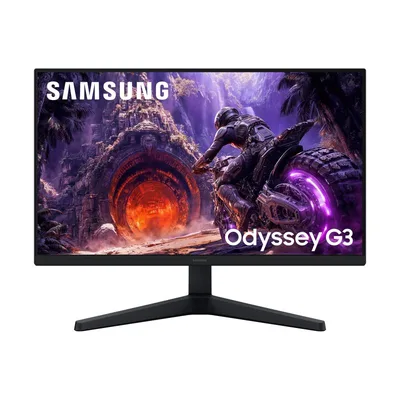
- Screen
- 24" IPS
- Resolution
- 1080p
- Refresh rate
- 200 Hz
- Brightness
- 250 nits
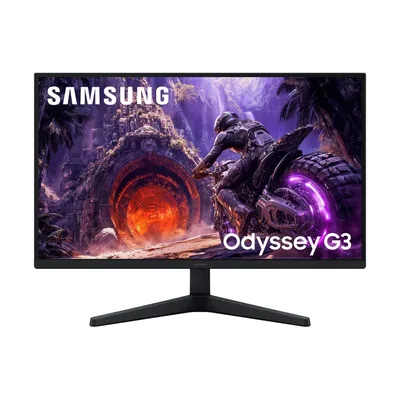
- Screen
- 27" IPS
- Resolution
- 1080p
- Refresh rate
- 200 Hz
- Brightness
- 250 nits
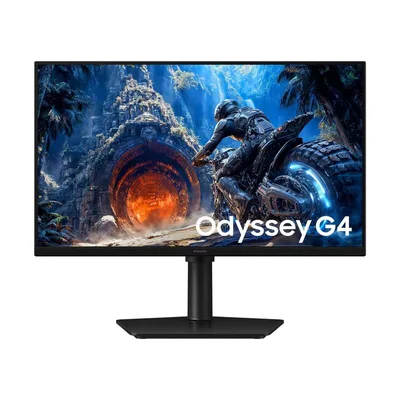
- Screen
- 25" IPS
- Resolution
- 1080p
- Refresh rate
- 300 Hz
- Brightness
- 300 nits
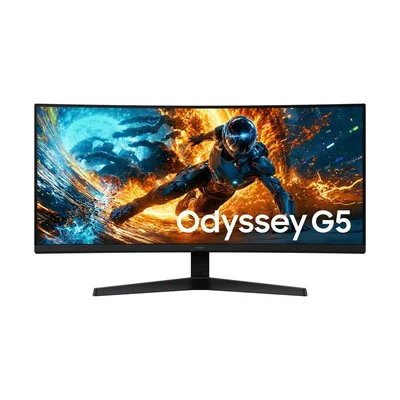
- Screen
- 34" VA curved
- Resolution
- 3440 x 1440 ultrawide
- Refresh rate
- 180 Hz
- Brightness
- 250 nits
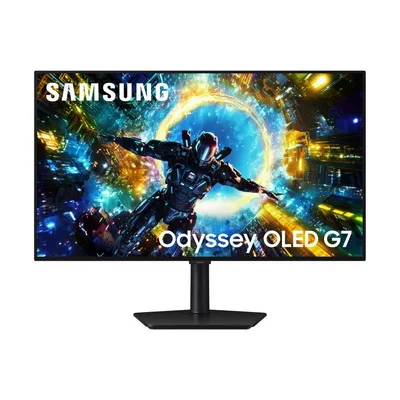
- Screen
- 31.5" OLED
- Resolution
- 4K
- Refresh rate
- 165 Hz
- Brightness
- 275 nits
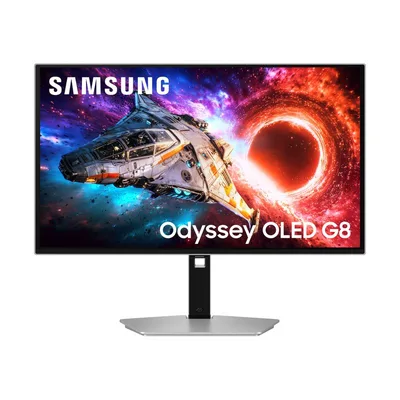
- Screen
- 27" OLED
- Resolution
- 4K
- Refresh rate
- 240 Hz
- Brightness
- 250 nits
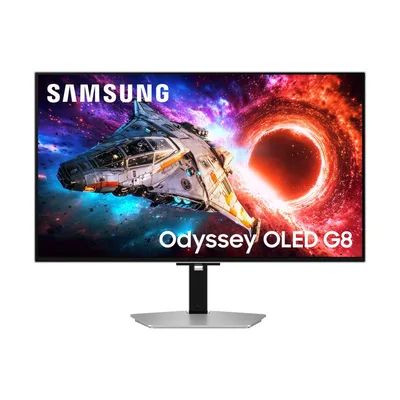
- Screen
- 32" OLED
- Resolution
- 4K
- Refresh rate
- 240 Hz
- Brightness
- 300 nits
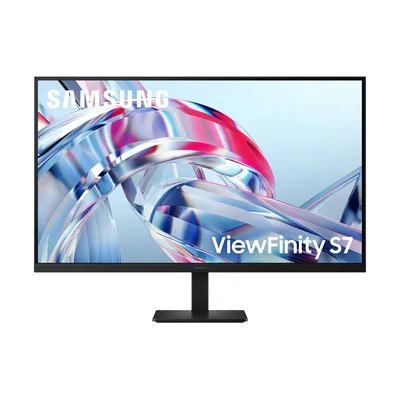
- Screen
- 32" VA
- Resolution
- 4K
- Refresh rate
- 60 Hz
- Brightness
- 300 nits
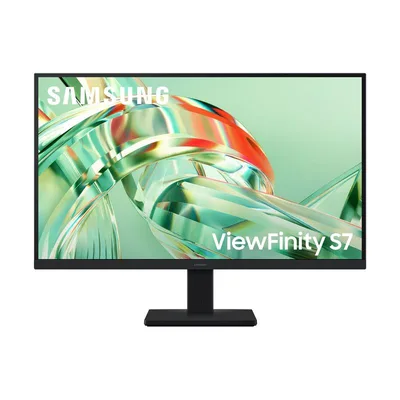
- Screen
- 27" IPS
- Resolution
- 4K
- Refresh rate
- 60 Hz
- Brightness
- 300 nits
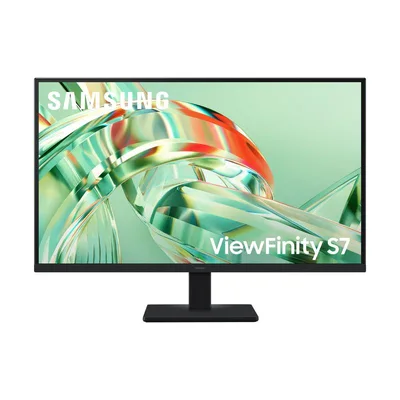
- Screen
- 32" IPS
- Resolution
- 4K
- Refresh rate
- 60 Hz
- Brightness
- 300 nits
Popular comparisons
Spec-by-spec breakdowns of models shoppers weigh against each other.
Dell SE2426H vs Philips 241V8LB Dell S2425HSM vs BenQ GW2490 Sceptre E248W-FW100T vs ViewSonic VA2456A-MHD ASUS VA249QG vs Samsung Essential S4 S40GD 24 Sceptre E275W-FW100T vs Samsung Essential S3 S36GD 27 Sceptre E275W-FW100T vs LG 27U411A Dell S2725DSM vs ViewSonic VS2725-2K LG 32MR50C vs ViewSonic VA3209M Sceptre C275B-FW180T vs Samsung Odyssey G3 G30D 27 ASUS TUF Gaming VG27AQ3A vs Alienware AW2725DM LG UltraGear 27GX704A vs AOC AGON Q27G41ZE LG UltraGear 27GX704A vs ASUS ROG Strix OLED XG27ACDNG
Find the right type of monitor
Compare monitors by brand
How we compare
Sourced field by field
Every spec comes from the manufacturer's own pages and datasheets, and we record where each value came from.
Same yardstick for all
Every monitor gets the same sheet, so a basic office screen and a 500Hz OLED read row by row, and every claim we make says what it is measured against.
Independent
We earn from Amazon purchases, never from brands. Read the disclosure.
What MonitorRadar is for
Monitor makers each describe specs their own way, so the same numbers rarely mean the same thing. We put every maker's figures into one layout and tell you in plain English what they mean and how each monitor compares.
-
Two to five monitors, one table
Pick monitors above and read every spec in one table, from panel and refresh rate to brightness, ports, stand and weight.
-
Narrow the whole field
The Monitor Finder filters every model by size, resolution, refresh rate, panel type and features like USB-C charging or a height-adjustable stand.
-
Every claim has a yardstick
When we call a monitor bright or fast, we say what it beats, such as "brighter than 92% of the monitors we list".
-
From the maker, or blank
Every value comes from the maker's spec sheet, datasheet or manual. When a maker doesn't publish something, the row stays empty.
Frequently asked questions
What does "brighter than 92% of the monitors we list" mean?
It counts every monitor on MonitorRadar that publishes that spec and tells you the share this one beats. Some lines compare against monitors of the same size instead, and they say so. Monitors that don't publish the figure aren't counted.
GtG or MPRT: which response time matters?
GtG (gray to gray) measures how fast pixels change color; MPRT measures how long an image stays visible and is often quoted with blur reduction on. They aren't comparable, so we list them separately.
How many monitors can I compare at once?
Up to five. Add them with the comparison tool at the top of this page, or tick Compare on monitors in the Monitor Finder.
Where do your monitor specs come from?
From each maker's own product pages, spec sheets, datasheets and manuals, plus Open Icecat for brands that publish there. We collected and analyzed those specs, and when a maker doesn't publish a figure, the row stays blank.
How does MonitorRadar make money?
Through affiliate links. If you buy after following a store button on our site, we may earn a commission at no extra cost to you, and that never changes which monitors we list or what we say about them.
Why don't you show prices?
Prices change too often to stay accurate on a spec page. The store button on each monitor takes you to the current price instead, and that's the one you pay at checkout.